Empowering Female Artists in Today's Music Industry
- Tabz Jones
- Jun 16
- 4 min read
The music industry has long been a challenging landscape for female artists. Despite significant progress over the years, women still face numerous obstacles that can hinder their success. From unequal pay to limited representation in leadership roles, the barriers are real and persistent. However, there is a growing movement aimed at empowering female artists, fostering a more inclusive environment, and ensuring their voices are heard. This blog post will explore the current state of female artists in the music industry, highlight successful initiatives, and provide actionable steps for supporting women in music.
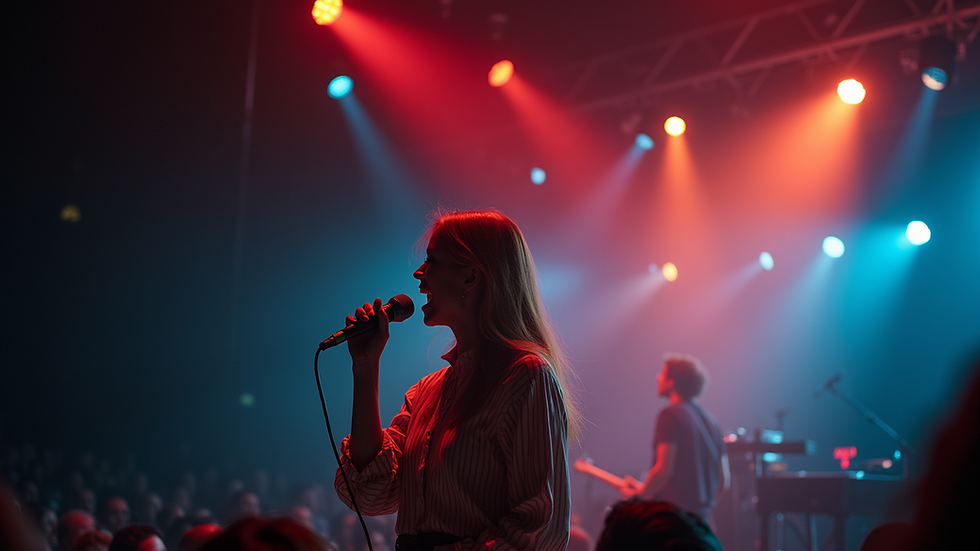
The Current Landscape for Female Artists
Statistics That Matter
To understand the challenges female artists face, it's essential to look at the numbers. According to a report by the Annenberg Inclusion Initiative, women made up only 21.6% of artists in the top 100 songs of 2020. This statistic highlights the underrepresentation of female talent in mainstream music. Furthermore, women are often underpaid compared to their male counterparts, with studies showing that female musicians earn approximately 30% less than male musicians for similar work.
Barriers to Entry
The barriers to entry for female artists are multifaceted:
Gender Bias: Women often encounter biases that question their talent and credibility. This can manifest in various ways, from being overlooked for gigs to receiving less media coverage.
Lack of Representation: Female artists are frequently underrepresented in key decision-making roles within the industry, such as producers, managers, and executives. This lack of representation can lead to a cycle where women's voices are not prioritized.
Work-Life Balance: The demands of the music industry can make it challenging for women, especially those with families, to balance their careers and personal lives.
Successful Initiatives Supporting Female Artists
Organizations Making a Difference
Several organizations are dedicated to supporting female artists and addressing the gender imbalance in the music industry:
Women in Music: This organization advocates for gender equality and provides resources, networking opportunities, and educational programs for women in the music industry.
She Is The Music: Founded by industry leaders, this initiative aims to increase the number of women in music by providing mentorship, funding, and opportunities for female songwriters and producers.
The FADER's Women in Music: This annual event celebrates female artists and industry leaders, providing a platform for their stories and achievements.
Notable Female Artists Leading the Charge
Many female artists are breaking barriers and paving the way for future generations. For example:
Billie Eilish: Known for her unique sound and style, Eilish has not only achieved commercial success but has also used her platform to advocate for mental health awareness and body positivity.
Taylor Swift: Swift has been vocal about the challenges female artists face, including issues of pay and representation. She has taken significant steps to advocate for artists' rights, including re-recording her earlier albums to regain control over her music.
Beyoncé: Through her music and activism, Beyoncé has consistently highlighted the importance of female empowerment and representation in the industry.
How to Support Female Artists
Promote Female Talent
One of the most effective ways to support female artists is to actively promote their work. Here are some practical steps:
Attend Live Shows: Support female artists by attending their concerts and purchasing their merchandise. This not only boosts their visibility but also contributes to their income.
Share Their Music: Use your social media platforms to share and promote female artists. Highlight their achievements and encourage your friends and followers to listen to their music.
Create Playlists: Curate playlists featuring female artists across various genres. This can help introduce new listeners to their work and increase their streaming numbers.
Advocate for Change
Advocacy is crucial in creating a more equitable music industry. Here are some ways to get involved:
Support Organizations: Donate to or volunteer with organizations that support female artists. Your contributions can help fund programs that provide resources and opportunities for women in music.
Engage in Conversations: Discuss the importance of gender equality in music with your peers. Raise awareness about the challenges female artists face and encourage others to take action.
Hold Industry Leaders Accountable: Use your voice to call out gender bias and demand change from industry leaders. Whether through social media or direct communication, let them know that representation matters.
The Future of Female Artists in Music
A Promising Outlook
The future for female artists in the music industry looks promising, thanks to the collective efforts of advocates, organizations, and artists themselves. As more women rise to leadership positions and challenge the status quo, we can expect to see a more balanced and inclusive industry.
The Role of Technology
Technology plays a significant role in empowering female artists. With the rise of digital platforms, women can now share their music directly with audiences without relying solely on traditional gatekeepers. This democratization of music distribution allows female artists to reach wider audiences and build their brands on their terms.
Building a Supportive Community
Creating a supportive community for female artists is essential for their growth and success. By fostering connections between artists, industry professionals, and fans, we can create an environment where women feel empowered to pursue their passions.
Conclusion
Empowering female artists in today's music industry requires a collective effort from all of us. By promoting their work, advocating for change, and supporting initiatives that uplift women, we can help create a more equitable and inclusive environment. The music industry is richer and more diverse when women's voices are heard and celebrated. Let’s take action today to ensure that future generations of female artists can thrive and succeed.
As you reflect on this topic, consider how you can contribute to the empowerment of female artists in your community. Whether it's attending a concert, sharing music, or advocating for change, every action counts. Together, we can make a difference.


Comments